Harnessing the Healing Power of Nature: How Nature Boosts Mental Health

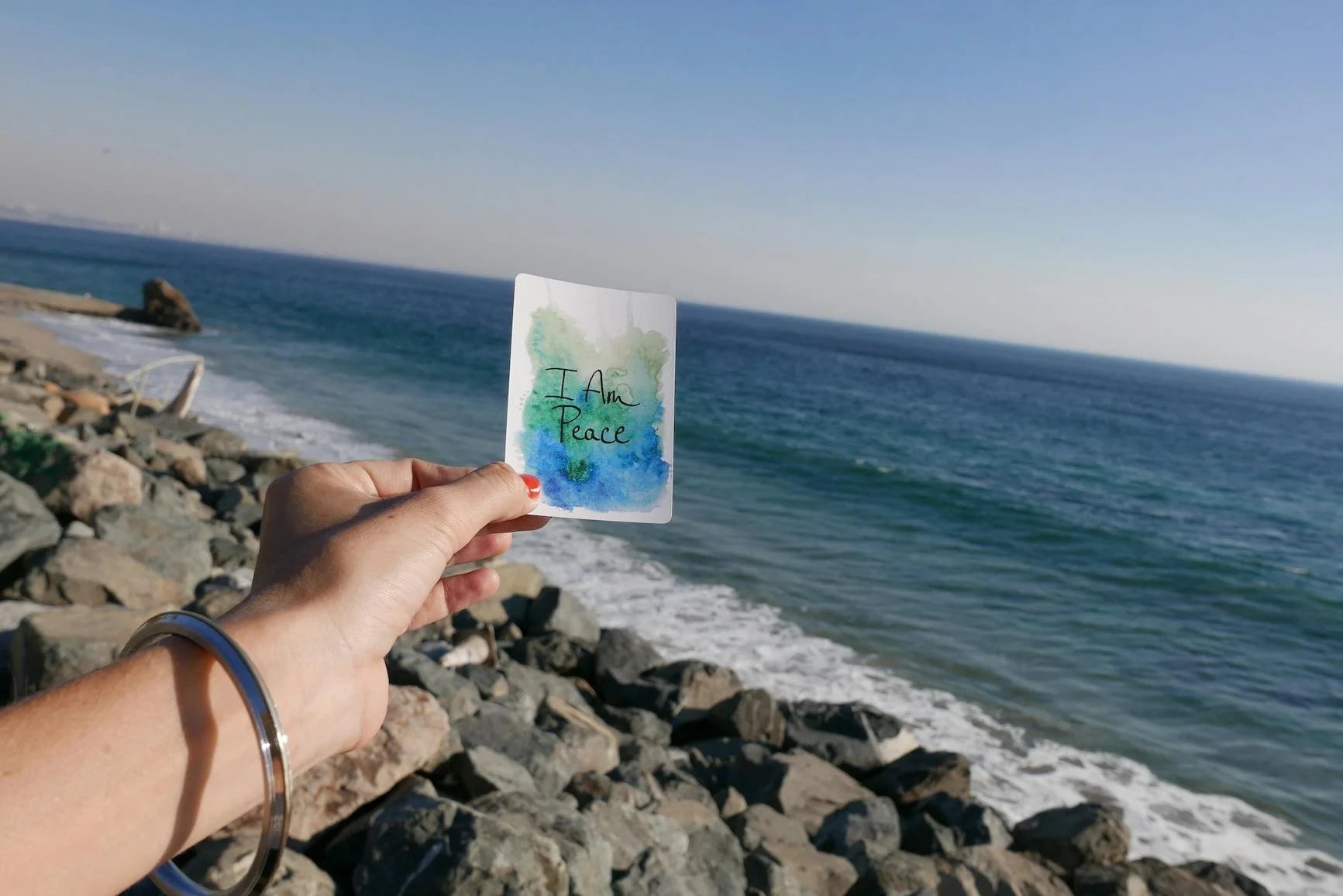
In our fast-paced, technology-driven world, it's easy to feel disconnected from the natural world around us. However, numerous studies have shown that spending time in nature can have profound benefits for our mental health and well-being. From reducing stress and anxiety to improving mood and cognitive function, the healing power of nature is undeniable. In conjunction with Trauma Therapy or counseling, this salve can heal many wounds.
Key Definitions
What Is Nature-Based Therapy?
Nature-based therapy incorporates the natural environment into the therapeutic process to support emotional, psychological, and physical well-being. This may include walk-and-talk therapy, mindfulness in nature, outdoor counseling, or intentionally engaging with natural spaces as part of healing. Research consistently demonstrates associations between nature exposure and improved mental health outcomes.
What Is Nature Connectedness?
Nature connectedness refers to a person's sense of relationship, belonging, and emotional connection with the natural world. Stronger connections with nature are associated with improved well-being, happiness, and lower levels of anxiety and depression.
What Is Nervous System Regulation?
Nervous system regulation is the ability to move through stress while maintaining emotional balance, resilience, and connection with oneself and others.
What Is Ecotherapy?
Ecotherapy is an umbrella term for therapeutic approaches that intentionally incorporate nature to support mental health, stress reduction, and emotional healing.
What Is Forest Bathing?
Forest bathing, or Shinrin-yoku, is the practice of mindfully immersing oneself in a natural environment using the senses. Research suggests forest bathing may reduce stress hormones and support emotional well-being.
Nature's Therapeutic Effects
Stress Reduction:
One of the most well-documented benefits of spending time in nature is its ability to reduce stress. Natural environments, such as forests, parks, and beaches, offer a peaceful escape from the hustle and bustle of daily life. The sights, sounds, and smells of nature can help lower cortisol levels, the hormone associated with stress, leading to feelings of relaxation and calm.
Improved Mood:
Nature has a way of lifting our spirits and boosting our mood. Whether it's the sight of a majestic mountain range, the sound of birds chirping, or the feeling of sunlight on our skin, spending time outdoors can evoke feelings of joy and awe. Studies have shown that exposure to natural environments can increase levels of serotonin and dopamine, neurotransmitters associated with happiness and pleasure.
Enhanced Cognitive Function:
In addition to its emotional benefits, nature can also sharpen our cognitive abilities. Spending time in green spaces has been linked to improved attention, concentration, and creativity. Nature provides a respite for our overstimulated brains, allowing us to recharge and restore mental clarity.
Ways to Embrace Nature for Mental Health
Forest Bathing (Shinrin-Yoku):
Originating in Japan, forest bathing, or shinrin-yoku, is the practice of immersing oneself in the sights, sounds, and smells of the forest. Simply spending time walking or sitting in a wooded area can have profound therapeutic effects, reducing stress and promoting a sense of well-being.
Outdoor Exercise:
Combine the benefits of nature with physical activity by engaging in outdoor exercise. Whether it's hiking, biking, or jogging, exercising outdoors allows you to reap the rewards of both physical and mental health benefits. The fresh air and natural scenery can make workouts feel less like a chore and more like a rejuvenating experience.
Nature-Based Mindfulness:
Take the tools you have been learning in trauma therapy and practice mindfulness in nature by paying attention to your surroundings with curiosity and openness. Take a mindful walk and notice the sensations of each step, the rustle of leaves, and the play of light and shadow. Engage your senses fully and allow yourself to be fully present in the moment. This is also a trauma-therapy regulation tool.
Trauma Therapy and the Healing Power of Nature for the Nervous System
Trauma often leaves the nervous system stuck in survival mode. Many trauma survivors experience chronic anxiety, hypervigilance, emotional numbness, exhaustion, irritability, difficulty relaxing, or a constant sense of being emotionally “on edge.” One reason nature can feel so healing is because natural environments gently support the nervous system’s ability to regulate and reconnect with safety.
Nature provides sensory experiences that can help interrupt chronic nervous system activation. Fresh air, movement, sunlight, natural sounds, and time away from overstimulating environments may help the body shift away from fight, flight, freeze, or shutdown states. For trauma survivors, even small moments of grounding in nature can create opportunities for the nervous system to soften and experience calm again.
Many people living with trauma become disconnected from their bodies because survival required staying emotionally guarded or hyper-alert for long periods of time. Nature-based approaches can help individuals slowly reconnect with physical presence, emotional awareness, and moments of peace in ways that feel less overwhelming than forcing immediate emotional processing.
In trauma therapy in Frisco, TX at Counseling & Nature Therapy Center, nature-informed and somatic approaches are often integrated to support nervous system healing. Therapy focuses not only on discussing trauma intellectually, but also on helping the body experience safety, grounding, connection, and regulation again.
Sometimes healing begins when the nervous system finally experiences an environment where it no longer feels under constant threat.
Anxiety Therapy and Nature's Calming Effects
Anxiety often keeps individuals focused on future threats and worst-case scenarios. Racing thoughts, muscle tension, sleep difficulties, and chronic worry can leave the nervous system exhausted.
Research consistently shows that spending time in natural environments is associated with reduced stress, lower anxiety, improved mood, and decreased physiological stress responses. Exposure to nature may lower cortisol levels and promote relaxation.
Anxiety therapy helps clients develop coping skills, challenge anxious thinking patterns, and strengthen emotional regulation. Nature can support this work by encouraging mindfulness, slowing mental activity, and helping individuals reconnect with the present moment.
Even brief periods in a park, garden, trail, or other green space may offer meaningful benefits for emotional well-being
Depression Therapy and Reconnecting With Life
Depression often creates feelings of hopelessness, isolation, fatigue, and disconnection. Many people find it difficult to engage in activities they once enjoyed.
Research suggests that time in nature may improve mood, increase feelings of well-being, and reduce symptoms associated with depression. Natural environments can provide opportunities for movement, sunlight exposure, sensory engagement, and emotional restoration.
Depression therapy helps individuals reconnect with meaningful activities, relationships, and sources of hope. Nature can become one valuable part of this process. Sometimes healing begins with something as simple as sitting outside, noticing birdsong, or taking a short walk through a local park.
Small moments of connection often create momentum for larger changes.
ADHD, Overstimulation, and Why Nature Helps the Brain Slow Down
Many individuals with ADHD live with chronic overstimulation. Racing thoughts, emotional intensity, executive functioning fatigue, sensory overload, and constant demands on attention can leave the nervous system exhausted. Modern environments filled with screens, multitasking, noise, and nonstop stimulation often intensify these struggles.
Nature offers something many ADHD nervous systems deeply need: space to regulate. Research continues to show that spending time outdoors may improve focus, reduce stress, support emotional regulation, and decrease mental fatigue. (counselnature.com)
Unlike environments that constantly require rapid processing and stimulation, nature tends to engage attention more gently. Activities such as walking outside, gardening, hiking, or simply sitting in green spaces can help many individuals feel calmer, more present, and emotionally regulated.
ADHD therapy in Frisco, TX can help individuals better understand how nervous system overload, burnout, trauma, and emotional dysregulation interact together. ADHD Therapy may support clients in:
- Building emotional regulation skills
- Reducing shame and self-criticism
- Managing overstimulation
- Learning ADHD-friendly coping tools
- Incorporating grounding and somatic techniques
- Creating sustainable routines that support nervous system health
Sometimes improving focus and emotional well-being begins not with pushing harder, but with creating environments where the nervous system can finally breathe.
Postpartum Mental Health and the Restorative Impact of Nature
The postpartum season can place enormous demands on the nervous system. Sleep deprivation, hormonal shifts, caregiving responsibilities, overstimulation, emotional labor, anxiety, and identity changes can leave many parents feeling emotionally overwhelmed and disconnected from themselves.
Many new parents spend long periods indoors caring for others while neglecting their own emotional and physical needs. Nature can provide small but meaningful opportunities for nervous system regulation during this intense season. Even brief moments outside - feeling sunlight, walking slowly, noticing sensory details, or taking intentional breaths outdoors - can help reduce stress and support emotional grounding.
For parents with trauma histories or ADHD, postpartum overstimulation may feel even more intense. The nervous system may remain chronically activated without opportunities for rest or regulation.
Postpartum therapy in Frisco, TX at Counseling & Nature Therapy Center supports parents navigating postpartum anxiety, depression, trauma, grief, and burnout through a compassionate and trauma-informed lens. Postpartum Therapy may help parents:
- Regulate nervous system overwhelm
- Process birth trauma or emotional exhaustion
- Rebuild self-compassion
- Create grounding routines
- Reduce guilt and perfectionism
- Reconnect with emotional support and rest
Healing during postpartum often happens gradually through small moments of connection, support, grounding, and remembering that parents deserve care too.
Grief Therapy and Finding Grounding Through Nature After Loss
Grief can leave people feeling emotionally untethered from themselves and the world around them. After significant loss, many individuals experience exhaustion, anxiety, emotional numbness, isolation, difficulty concentrating, or a sense that life no longer feels fully real. The nervous system often struggles to feel grounded after profound loss.
Nature can provide a quiet and steady form of support during grief. The rhythm of the natural world can create moments of calm, reflection, movement, and emotional presence without demanding that people immediately “fix” or explain their pain. Many grieving individuals find comfort in the reminder that nature itself moves through cycles of change, loss, renewal, and growth.
In grief therapy in Frisco, TX, clients are often encouraged to explore grounding experiences that support both emotional processing and nervous system regulation. At Counseling & Nature Therapy Center, grief therapy recognizes that healing involves both emotional and physiological restoration after loss.
Sometimes healing begins in very small moments - a walk outside, the feeling of sunlight on your skin, the sound of birds or wind through trees, or realizing that even in grief, moments of peace and connection are still possible.
LGBTQIA+ Affirming Therapy and Nature as a Place of Belonging
Many LGBTQIA+ individuals have experienced discrimination, rejection, identity concealment, or environments that did not feel emotionally safe.
Nature can provide a unique sense of belonging that is not dependent on social expectations or judgment. Many people describe feeling more grounded, authentic, and connected to themselves when spending time outdoors.
LGBTQIA+ affirming therapy helps individuals process identity-related stress, strengthen self-acceptance, and build supportive relationships. Nature-based practices can complement this work by providing opportunities for reflection, mindfulness, and connection.
Healing often happens when people find spaces where they can simply exist as themselves.
Key Takeaways
- Spending time in nature is associated with improved mental health and emotional well-being.
- Nature exposure may reduce anxiety, stress, and symptoms of depression.
- Time outdoors can support nervous system regulation and trauma recovery.
- Nature may improve attention, focus, and cognitive functioning.
- Social connection and nature connectedness both contribute to well-being.
- Green spaces and blue spaces can both support mental health.
- Even short periods outdoors may provide meaningful benefits.
- Nature-based practices can complement therapy but do not replace professional treatment.
- Healing often occurs through consistent, small experiences of connection.
- Nature is one of the most accessible mental health resources available.
Frequently Asked Questions About Nature and Mental Health
How does nature improve mental health?
Research suggests that spending time in nature may reduce stress, improve mood, support attention, and strengthen overall well-being.
Can nature help with anxiety?
Yes. Studies have found that exposure to natural environments may reduce stress hormones, lower anxiety, and promote relaxation.
Can nature help with depression?
Research suggests that spending time outdoors may improve mood, increase well-being, and reduce depressive symptoms.
What is nature-based therapy?
Nature-based therapy incorporates natural environments into the therapeutic process to support emotional and psychological well-being.
How much time should I spend in nature?
Research suggests that even 10–30 minutes can provide benefits, while regular exposure throughout the week is associated with improved mental health outcomes.
Does nature help trauma survivors?
Many trauma survivors find that nature supports grounding, mindfulness, nervous system regulation, and feelings of safety.
Can nature improve ADHD symptoms?
Research suggests natural environments may support attention, concentration, and cognitive functioning.
Do I need access to a forest to benefit?
No. Parks, gardens, trails, lakes, and other green spaces can all provide mental health benefits.
What is nature connectedness?
Nature connectedness refers to a person's emotional relationship and sense of connection with the natural world. Stronger nature connectedness is associated with greater well-being.
When should I seek therapy?
If anxiety, depression, trauma symptoms, grief, ADHD challenges, postpartum difficulties, or emotional distress are interfering with daily life, professional support may be beneficial.
Conclusion
Incorporating nature into our daily lives can be a powerful tool for promoting mental health and well-being. Whether it's a leisurely stroll in the park, a weekend camping trip, or simply spending time tending to a garden, the healing power of nature is readily accessible to us all. By connecting with the natural world around us, we can find solace, inspiration, and renewal for our mind, body, and soul. So, the next time you're feeling stressed or overwhelmed, step outside and let nature work its magic.
Areas Served
At Counseling & Nature Therapy Center, we believe healing can happen both inside and outside the therapy office. We provide trauma therapy, EMDR therapy, anxiety counseling, depression therapy, ADHD therapy, grief counseling, postpartum therapy, teen counseling, nature-based therapy, and LGBTQIA+ affirming therapy for individuals throughout Frisco, Plano, Allen, Prosper, Celina, Aubrey, Carrollton, McKinney, Little Elm, The Colony, and surrounding North Texas communities. We also offer secure online therapy throughout Texas.
Insurance Accepted: We currently accept Aetna, Blue Cross Blue Shield, Cigna, and Curative insurance plans.
If you are struggling with anxiety, depression, trauma, grief, ADHD, postpartum challenges, or chronic stress, you do not have to navigate it alone.
At Counseling & Nature Therapy Center, we combine evidence-based counseling with a deep appreciation for the healing power of connection, mindfulness, and the natural world. Whether you are interested in trauma therapy, EMDR, anxiety counseling, grief therapy, ADHD support, therapy for teens, or LGBTQIA+ affirming care, our team is here to help.
Reach out today to schedule a consultation and discover how therapy - and the healing power of nature - can support your journey toward greater resilience, connection, and well-being.
More Reading and Resources:
- Associations between Nature Exposure and Health (Jimenez et al., 2021)
A narrative review that compiles recent experimental and observational studies showing that exposure to natural environments (walking, resting, views, etc.) is associated with improved cognitive function, reduced stress, better sleep, lower anxiety and depression symptoms. PMC - A Systematic Review and Meta-Analysis of Nature Walk as an Intervention (Grassini et al., 2022)
This meta-analysis examines multiple controlled trials of walking in nature, showing meaningful improvements in mental health outcomes, especially reductions in depression and anxiety. PMC - Nature-based Outdoor Activities for Mental and Physical Health: A Systematic Review (Coventry et al., 2021)
This review focuses on interventions such as gardening, green exercise, and nature-based therapy, finding they are effective in improving mental health in adults (less stress, improved mood, etc.).
If you need ideas for spending time in nature therapeutically, or feel the need to process in trauma therapy, learn more at Counseling and Nature Therapy Center. Our Team of Therapists is available to support you on your healing journey. If you are ready to book, Contact Us. Our licensed therapists provide in-person and virtual trauma therapy in Frisco, Texas.