
Counseling & Nature Therapy Center
Therapy for Bipolar and Other Mood Disorders in Frisco, TX

There is a lot of nuance and variation within each mood disorder. It is also possible to have more than one, alongside other conditions.
If your life is disrupted by a mental health issue, it is worth talking to someone - in person in Frisco, TX, or by video.
Common mood disorders
What each of these actually means
These are some examples. There is a lot of nuance and variation within each one, and it is possible to have multiple mood disorders and other co-morbidities.
Major Depressive Disorder (MDD)
Characterized by persistent feelings of sadness, hopelessness, and loss of interest or pleasure in activities. It can significantly impair daily functioning and quality of life.
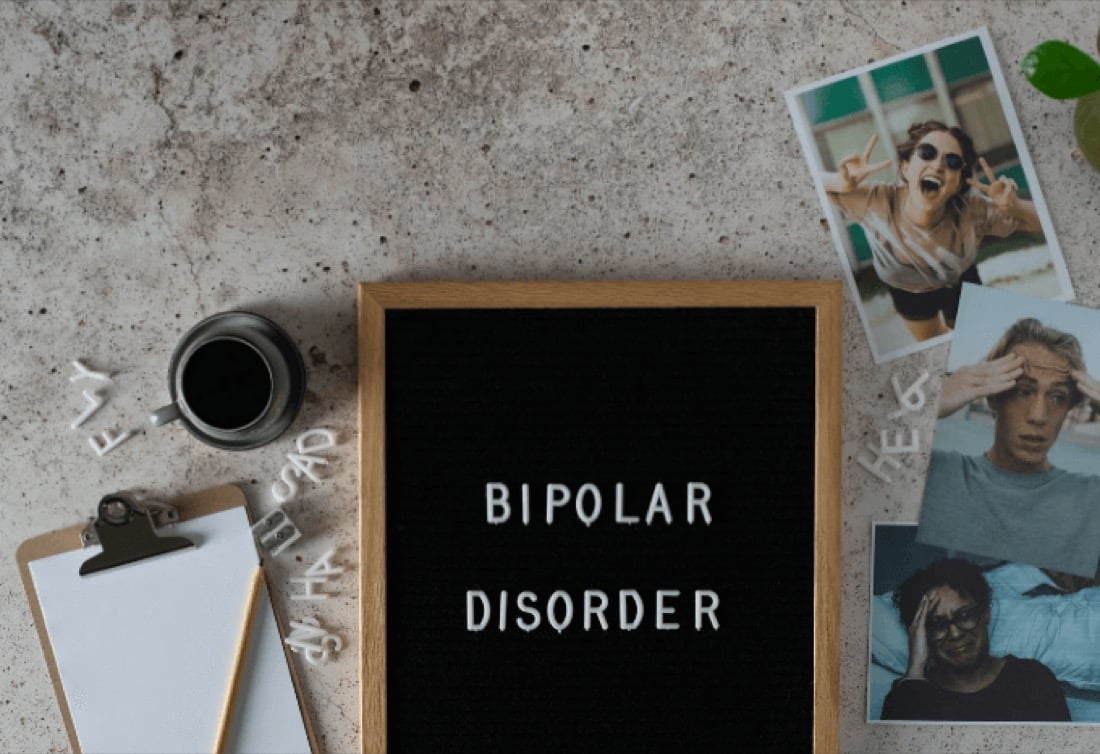
Bipolar Disorder
Formerly known as manic-depressive illness, bipolar disorder involves cycling mood changes, including episodes of depression and episodes of mania or hypomania - less severe than full mania, but still able to cause impairment.
Persistent Depressive Disorder (Dysthymia)
A chronic form of depression lasting for at least two years. Symptoms are milder compared to major depressive disorder but can still interfere with daily functioning.
Cyclothymic Disorder
Characterized by numerous periods of hypomanic symptoms as well as numerous periods of depressive symptoms lasting for at least two years.
Seasonal Affective Disorder (SAD)
Depression that occurs at a particular time of year, typically in the winter months when daylight hours are shorter.
Premenstrual Dysphoric Disorder (PMDD)
A severe form of premenstrual syndrome characterized by significant mood disturbances, such as depression, irritability, or tension, in the weeks before menstruation.
Disruptive Mood Dysregulation Disorder (DMDD)
A childhood mood disorder characterized by severe temper outbursts that are out of proportion to the situation and inconsistent with the child’s developmental level.
How mood disorders are treated
Treating mood disorders typically involves a combination of medication, psychotherapy, lifestyle changes, and sometimes other interventions.
We are counselors, not prescribers - medication is your doctor’s or psychiatrist’s to decide. This is here so the words are familiar when someone else uses them.
Medication classes you may hear about
Antidepressants
Often prescribed for depression and some anxiety disorders. They work by balancing neurotransmitters in the brain, such as serotonin and norepinephrine.
Mood stabilizers
Primarily used to treat bipolar disorder, to help stabilize mood and prevent manic or depressive episodes.
Antipsychotics
Sometimes used alongside mood stabilizers for bipolar disorder, or as an augmentation strategy in treatment-resistant depression.
Others
Depending on the specific symptoms and diagnosis, other medications such as anti-anxiety medications or stimulants may be prescribed.
Where therapy fits
Psychotherapy is often used alongside other treatments to improve symptoms and overall functioning. These are the approaches our team works with.
Cognitive Behavioral Therapy (CBT)
Focuses on identifying and changing the thought patterns and behaviors that keep low mood in place.
Interpersonal Therapy (IPT)
Focuses on improving relationships and communication skills to help alleviate symptoms of depression.
Psychodynamic therapy
Explores how past experiences and unconscious thoughts may influence current mood and behavior.
Mindfulness-based therapies
Techniques such as mindfulness-based stress reduction (MBSR) or mindfulness-based cognitive therapy (MBCT) can help individuals develop awareness and acceptance of their emotions.
The ordinary things that help
None of these replace treatment, and all of them are harder to do when you are unwell - which is exactly why they belong in a plan rather than on a list of things you should already be doing.

- Regular exercise. Physical activity has been shown to improve mood and reduce symptoms of depression and anxiety.
- Healthy diet. A balanced diet rich in fruits, vegetables, whole grains, and lean proteins can support overall well-being.
- Sufficient sleep. Establishing a regular sleep schedule and practicing good sleep hygiene can help regulate mood.
- Stress management. Techniques such as deep breathing, progressive muscle relaxation, and yoga can help reduce stress and improve mood.
Support groups and peer support. Connecting with others who have similar experiences can provide validation, understanding, and practical support.
Our Walk and Talk sessions put two of these together - movement and time outdoors - inside the session itself.
If things get severe
In severe cases or during acute episodes, hospitalization may be necessary to ensure safety and provide intensive treatment.
That is not a failure, and it is not the end of the work.
We will guide you through the process, and we will be there for you when you step back down to private practice if a higher level of care is needed.
If you are in danger right now, call or text 988 for the Suicide & Crisis Lifeline, or go to your nearest emergency room. This website is not a crisis service and messages are not monitored around the clock.
What makes our care different
We are a trauma-focused group practice serving Frisco and the greater Dallas area, offering both in-person and virtual sessions.
Mood disorders rarely arrive alone. Our team works across depression, anxiety, trauma, ADHD and grief, so you are not handed between people when the picture turns out to be more than one thing.
Frequently Asked Questions
What are common symptoms of mood disorders?
Symptoms vary depending on the specific condition, but common signs may include:
- Persistent sadness or hopelessness
- Loss of interest in activities once enjoyed
- Changes in sleep or appetite
- Low energy or fatigue
- Difficulty concentrating
- Irritability or emotional instability
- Periods of unusually elevated mood, increased energy, or impulsive behavior
In some mood disorders, such as bipolar disorder, individuals may experience cycles of depression and mania, which can significantly affect daily life.
What are mood disorders?
Mood disorders are mental health conditions that involve significant and persistent changes in emotional state. They typically include prolonged periods of depression, elevated mood (mania), or both, which affect daily functioning.
What causes mood disorders?
Mood disorders typically develop due to a combination of factors, including:
- Genetics or family history
- Brain chemistry and neurological factors
- Trauma or stressful life events
- Chronic stress
- Medical conditions or hormonal changes
Researchers believe mood disorders are often related to changes in brain chemistry that influence mood regulation.
How can therapy help with mood disorders?
Therapy can help individuals understand and manage the emotional, behavioral, and biological factors that contribute to mood disorders. Counseling may help people:
- Identify emotional triggers
- Develop coping strategies
- Regulate the nervous system
- Challenge negative thought patterns
- Build healthier routines and relationships
Psychotherapy is often used alongside other treatments such as medication to improve symptoms and overall functioning.
Can trauma contribute to mood disorders?
Yes. Trauma, chronic stress, and adverse life experiences can significantly impact emotional regulation and mental health. For some individuals, unresolved trauma may contribute to symptoms of a mood disorder.
Are mood disorders treatable?
Yes. Mood disorders are highly treatable, especially when individuals receive early diagnosis and appropriate support. Treatment often includes a combination of therapy, medication, lifestyle changes, and ongoing care.
Before you call
You don't have to have the words for it.
You don't need a diagnosis to call, or the right vocabulary. A sentence is enough - any of these would do:
- Anxiety and depression stuff.
- A third-party perspective.
- Pulled in a thousand directions.
Say it however it comes out. We'll listen, and we'll tell you who on the team fits.
Ready to book, or want a free consultation?

We can get you scheduled within 24 hours, often within the same week you call.
Call 469-238-2686 or book a free consultation below.
Mood Disorder Therapy at Counseling and Nature Therapy Center
If your life is disrupted by a mental health issue, it is worth talking to someone. One short call and we will tell you who fits.
We also offer depression therapy, anxiety therapy, trauma and PTSD therapy, EMDR therapy, grief therapy, postpartum therapy, therapy for teens and ADHD therapy.