
When Birth Becomes Traumatic: How Birth Trauma Can Impact New Parents (and What Helps)
Most parents go into birth with a plan - or at least a hope. You picture the first cry, the relief, the “we did it” moment. But sometimes birth becomes scary, chaotic, or violating. Sometimes the body is pushed past its limits. Sometimes communication breaks down. Sometimes decisions are made quickly and you’re left feeling powerless.
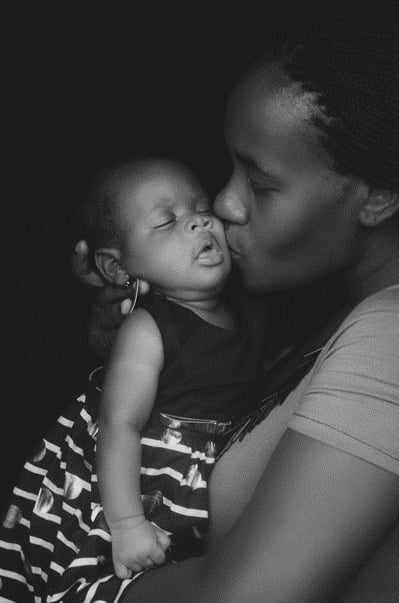
Birth trauma is more common than many people realize, and it isn’t defined only by what happened medically. It’s also defined by how your nervous system experienced it: fear, helplessness, loss of control, feeling ignored, or believing you or your baby might not survive. Research and clinical guidance recognize that traumatic birth can contribute to childbirth-related PTSD symptoms and other postpartum mental health challenges. (ajog.org)
If you’re a new parent in Frisco Texas (or nearby) and you’re struggling after delivery - emotionally, physically, relationally - birth trauma can reshape how you feel in your body, how safe the world feels, and how you connect with your baby and partner. Postpartum therapy can be a real source of support.
Key Definitions
What Is Birth Trauma?
Birth trauma refers to the emotional, psychological, or physical distress that occurs when a person perceives childbirth as frightening, overwhelming, unsafe, or out of their control. A traumatic birth can occur even when a parent and baby are physically healthy.
What Is Postpartum PTSD?
Postpartum PTSD (sometimes called childbirth-related PTSD) occurs when symptoms of trauma develop following childbirth. Symptoms may include intrusive memories, nightmares, hypervigilance, avoidance, emotional numbing, and distress related to reminders of the birth experience.
What Is a Traumatic Birth Experience?
A traumatic birth experience can include medical emergencies, unexpected interventions, feelings of helplessness, loss of control, inadequate support, severe pain, or situations where a parent feared for their own life or their baby's safety.
What Is EMDR Therapy?
Eye Movement Desensitization and Reprocessing (EMDR) is an evidence-based trauma therapy that helps people process distressing memories so they become less emotionally overwhelming and disruptive.
What birth trauma can look like
Birth trauma can happen in many circumstances, including:
- Emergency C-section or rapid escalation of interventions
- Severe pain or feeling unheard about pain
- Complications (hemorrhage, preeclampsia, shoulder dystocia, NICU stay, etc.)
- Feeling coerced, pressured, or not fully consented
- Staff conflict, dismissal, or harsh communication
- Prior trauma being reactivated during labor (sexual trauma, medical trauma, discrimination, loss) (ACOG)
You might notice symptoms right away - or weeks later, once things “calm down” and your system finally has room to process.
Common signs include:
- Intrusive memories or flashbacks of the birth
- Nightmares or difficulty sleeping (even when the baby sleeps)
- Avoidance (avoiding the hospital, birth stories, OB visits, even the room where you labored)
- Hypervigilance (“I can’t relax - something bad will happen”)
- Feeling numb, detached, or “not myself”
- Intense anger, shame, grief, or panic
- Feeling disconnected from yourself, your partner, or your baby
- A sense that your body is unsafe or has “betrayed” you (ajog.org)
How birth trauma connects to postpartum depression and postpartum anxiety
Birth trauma doesn’t automatically cause postpartum depression or postpartum anxiety - but it can raise risk, intensify symptoms, or make recovery feel harder.
Postpartum depression (PPD)
PPD is more than “baby blues.” It can include persistent sadness, hopelessness, irritability, guilt, low motivation, changes in appetite, and difficulty bonding. Perinatal depression is treatable, and the National Institute of Mental Health emphasizes getting support early. (National Institute of Mental Health)
When birth was traumatic, depression can also come with:
- A heavy grief for the birth you didn’t get
- Shame (“I should feel grateful - why can’t I just move on?”)
- A painful loop of “I failed” or “My body failed”
How birth trauma affects bonding, feeding, and your sense of self
New parenthood is already a major identity shift. Add trauma, and the shift can feel like free-fall.
You may find yourself:
- Struggling to bond: Not because you don’t love your baby, but because your nervous system is stuck in survival mode.
- Feeling triggered by feeding (breastfeeding, pumping, bottle-feeding): Pain, pressure, supply issues, or NICU feeding experiences can become trauma reminders.
- Dreading nighttime: Sleep deprivation can amplify trauma symptoms, depression, and anxiety.
- Feeling disconnected from your body: Some parents describe feeling like their body is “not theirs” after birth or medical procedures.
- Grieving loss of autonomy: Your time, your privacy, your physical comfort, your career rhythm - everything changed overnight.
These reactions often reflect a nervous system trying to protect itself after something overwhelming.
If feeding is where it hurts most, a lactation consultant can be a real help. Kelly Mayabb, IBCLC, of Lactation Services by Kelly, a provider we trust and refer to, offers breastfeeding support in Frisco and Plano, with virtual, in-office and in-home visits. She can support the feeding itself, and therapy can support what feeding stirs up for you.
When Grief Is Part of Birth Trauma
A lot of new parents are grieving alongside the trauma itself. You might be grieving the birth you hoped for, the loss of feeling safe in your own body, changes in who you are, medical complications, a NICU stay, infertility struggles, or the sense that an important moment was taken from you. Many parents feel confused or ashamed by this grief, because they think they should “just be grateful” their baby arrived safely.
Grief after a traumatic birth can make anxiety, hypervigilance, numbness, panic, intrusive thoughts, or feeling disconnected from yourself or others even harder. For some parents, the nervous system stays stuck in survival mode long after the birth because the body hasn’t fully processed what happened.
At Counseling & Nature Therapy Center, postpartum therapy, trauma therapy, and grief therapy in Frisco, TX are trauma-informed and compassionate, and they take seriously what a traumatic birth does to both your emotions and your nervous system. Healing often starts with having room to work through both the trauma and the grief, without judgment and without anyone asking you to shrink what happened.
ADHD, Birth Trauma, and Nervous System Overwhelm
If you have ADHD, a traumatic birth can pile on emotional and nervous system overwhelm in ways other people often don’t understand. ADHD already affects emotional regulation, sensory processing, executive functioning, and how well the nervous system bounces back from chronic stress. When a birth feels frightening, out of your control, medically traumatic, or unsupported, many people with ADHD end up struggling with stronger anxiety, intrusive thoughts, irritability, shutting down, hypervigilance, or trouble feeling safe in their own bodies after delivery.
The postpartum period brings sleep deprivation, overstimulation, hormonal shifts, a new routine, and constant mental demands, and all of that can make ADHD symptoms a lot harder. Many parents quietly blame themselves for struggling, believing they should be coping better or “handling motherhood naturally.” In reality, your nervous system may be overloaded and trying to recover from trauma and chronic stress at the same time.
At Counseling & Nature Therapy Center, we provide trauma-informed ADHD therapy in Frisco, TX that understands how neurodivergence, trauma, postpartum mental health, and an overloaded nervous system overlap. Our therapists draw on somatic therapy, EMDR, mindfulness, attachment-focused care, and nervous system regulation tools to help you work through what happened and build ways of coping that are kind and that you can keep up.
LGBTQIA+ Birth Trauma and Postpartum Support
For many LGBTQIA+ people and families, birth trauma comes layered with more: having your identity questioned, discrimination in healthcare, care that isn’t affirming, fertility-related grief or trauma, or feeling invisible in the usual stories about pregnancy and parenthood. Even small moments of being dismissed, misgendered, unsupported, or unsafe during pregnancy and delivery can leave a lasting mark on your nervous system and well-being.
After a traumatic birth, many LGBTQIA+ parents struggle with anxiety, numbness, hypervigilance, grief, shame, panic, feeling disconnected from their bodies, or trouble trusting themselves and others. That can feel especially lonely when you don’t see your story reflected or understood in the wider conversation about postpartum mental health.
At Counseling & Nature Therapy Center, we provide LGBTQIA+ affirming therapy in Frisco, TX that understands how trauma, identity, your nervous system, and postpartum mental health all connect. We believe therapy should be a place where you feel safe, respected, and supported without having to downplay or explain your experience.
Our therapists draw on trauma-informed therapy, somatic approaches, EMDR, mindfulness, attachment-focused work, and nervous system regulation tools, and we look at the whole person. Therapy can help parents and families work through a traumatic birth, rebuild a sense of safety and self-trust, steady their emotions, and feel less alone during the postpartum transition.
Postpartum Anxiety After Birth Trauma
After a traumatic birth, postpartum anxiety can take over. Some parents find themselves constantly scanning for danger, unable to relax even when they’re exhausted, replaying parts of the birth over and over, or feeling on edge all the time. Others deal with intrusive thoughts, panic, irritability, trouble sleeping, racing thoughts, big emotional reactions, or a constant fear that something bad could happen to them or their baby.
Birth trauma can leave the nervous system on high alert long after delivery is over. When the body doesn’t feel safe, the mind has a hard time settling too. Many parents feel confused or ashamed by how intense their anxiety is, especially when they expected this time to feel joyful. Instead, they may feel disconnected, hypervigilant, overwhelmed, or tense all the time.
At Counseling & Nature Therapy Center, we provide trauma-informed postpartum anxiety therapy in Frisco, TX that supports both your emotions and your nervous system. Our therapists help clients understand how trauma affects the body and mind, and build grounding tools, emotional regulation skills, self-compassion, and practical ways to get support.
Postpartum Therapy after birth trauma focuses on helping your nervous system feel safe enough to reconnect with yourself, your body, your relationships, and your experience as a parent.
Birth trauma can impact partners too
Birth trauma isn’t only experienced by the birthing parent. Partners and non-birthing parents can experience trauma as witnesses - especially if there was fear for life, medical urgency, or prolonged NICU stress. The nervous system doesn’t care whether you were on the bed or by the wall - it cares whether you felt helpless and terrified.

Partners may show trauma responses as:
- Irritability, emotional shutdown, or “staying busy”
- Avoiding conversations about the birth
- Anxiety about the baby’s health and the birthing parent’s recovery
- Conflict or disconnection in the relationship
And because so much attention goes to the birthing parent (understandably), partners often feel they “don’t get to” have feelings - until those feelings leak out as conflict or numbness.
What helps: trauma therapy and postpartum therapy that supports the nervous system
Recovery from birth trauma often involves more than “processing the story.” It can also require re-establishing safety in the body and rebuilding trust, internally and relationally. Professional guidance such as ACOG’s emphasizes trauma-informed approaches to pregnancy, birth, and postpartum care, and that’s the approach we take in postpartum therapy at Counseling and Nature Therapy Center.
In postpartum therapy, especially when birth trauma is involved, some of the most helpful components include:
1) Stabilization first (because you’re sleep-deprived)
We start with what your system needs now:
- Sleep support strategies (realistic, not perfectionistic)
- Grounding skills for panic and flashbacks
- A plan for triggers (medical follow-ups, lactation visits, postpartum checkups)
2) Making meaning without minimizing
You don’t have to “be grateful it’s over” to heal. Therapy helps you make room for both:
- You’re grateful your baby is here
- And you’re allowed to grieve what it cost you
3) Trauma processing at the right pace
Trauma therapy may include evidence-based approaches (e.g., EMDR, somatic work, trauma-focused therapy modalities) to reduce distress, soften triggers, and help your brain/body file the experience as “over.”
4) Repairing connection
That can mean:
- Rebuilding bonding without forcing it
- Supporting co-parent communication
- Reducing shame and isolation
- Helping you feel like you again
When to reach out for help
If symptoms last more than two weeks, worsen, or interfere with functioning - reach out. If you’re having thoughts of harming yourself or feel unsafe, seek immediate support (call emergency services or a crisis line in your area). The National Institute of Mental Health emphasizes not waiting until it becomes unbearable. (National Institute of Mental Health)
You deserve support even if:
- Your baby is healthy
- Other people tell you it “wasn’t that bad”
- You “should be over it by now”
- You wanted this pregnancy and planned this baby
Birth trauma is a nervous system response to overwhelm.
Anxiety Therapy and the Nervous System After Birth Trauma
Birth trauma can leave your nervous system feeling deeply unsafe long after delivery is over. Many new parents expect relief or joy after the birth, and instead find intense anxiety, hypervigilance, panic, overwhelm, intrusive thoughts, or an inability to relax. For some, the body keeps reacting as though the trauma is still happening.
Anxiety after birth trauma can show up when your nervous system went through fear, helplessness, medical trauma, loss of control, physical pain, emergency interventions, feeling unheard during labor, a NICU stay, or worry about your own or your baby’s safety. Even when other people call the birth “successful,” your nervous system may still be carrying it.
Many parents experiencing postpartum anxiety silently struggle with:
- Intrusive thoughts
- Hypervigilance around the baby’s safety
- Racing thoughts and constant worry
- Panic symptoms
- Difficulty sleeping even when exhausted
- Emotional numbness or shutdown
- Fear of something bad happening
- Difficulty trusting themselves or their bodies
- Guilt or shame for struggling emotionally
For parents with earlier trauma or ADHD, birth trauma can hit the nervous system even harder. Many start criticizing themselves for “not feeling okay yet” without realizing how deeply trauma affects the body and mind.
In anxiety therapy in Frisco, TX at Counseling & Nature Therapy Center, therapy supports parents through a trauma-informed and nervous-system-centered lens. Anxiety Therapy may include:
- EMDR therapy for birth trauma
- Nervous system regulation tools
- Somatic therapy approaches
- Grounding and mindfulness skills
- Processing traumatic birth experiences safely
- Reducing hypervigilance and panic
- Building emotional support and self-compassion
Recovery from birth trauma often starts with recognizing that anxiety can be the nervous system’s protective response after something overwhelming. Over time, with safety, support, and compassionate care, many parents begin reconnecting with their bodies, their emotions, and the possibility of feeling grounded and safe again.
Postpartum therapy in Frisco Texas: you don’t have to carry this alone
If you’re looking for counseling in Frisco, Texas, support can be practical as well as emotional. The right postpartum therapy supports the whole picture: body, mind, relationship, identity, and the realities of new parenthood. When birth trauma is part of the story, trauma therapy can help you feel more grounded - so there’s room in your days for more steadiness, more rest, and more joy.
If you’re in Frisco Texas and you’re struggling with postpartum depression, postpartum anxiety, or the lingering impact of a traumatic birth, you don’t have to wait until you’re at your breaking point. Reach out now. Schedule a consultation, ask your questions, and let’s talk about what support could look like for you - whether you’re the birthing parent, the partner, or both.
Key Takeaways
- Birth trauma is more common than many people realize and can affect both birthing parents and partners.
- A traumatic birth does not have to involve a medical emergency; how the experience is perceived matters.
- Symptoms of birth trauma may include anxiety, intrusive memories, nightmares, emotional numbness, panic, avoidance, and hypervigilance.
- Birth trauma can impact bonding, relationships, confidence in parenting, and future family planning decisions.
- Treatments such as EMDR, Cognitive Processing Therapy (CPT), and trauma-informed counseling have shown promise for childbirth-related PTSD and can help parents regain a sense of safety.
- Seeking support early may reduce the likelihood that symptoms become chronic or interfere with postpartum adjustment.
Frequently Asked Questions About Birth Trauma
Can you have birth trauma even if your baby is healthy?
Yes. Birth trauma is based on how the experience impacted you emotionally and psychologically. Many parents experience trauma despite having a healthy baby and no lasting physical complications.
How do I know if I have birth trauma or postpartum PTSD?
Common signs include flashbacks, nightmares, intrusive memories, anxiety, panic, avoidance of reminders of the birth, emotional numbness, and feeling constantly on edge. A licensed mental health professional can help determine whether symptoms meet criteria for PTSD.
Can partners experience birth trauma too?
Yes. Partners who witness a frightening birth experience, medical emergency, or concerns about the safety of the birthing parent or baby can also develop symptoms of trauma and PTSD.
How does birth trauma affect bonding with my baby?
Some parents experience feelings of detachment, guilt, fear, or emotional numbness following a traumatic birth. These reactions are common trauma responses and do not mean you are a bad parent. When left untreated, birth-related PTSD can affect the parent-infant relationship.
What are common risk factors for birth trauma?
Risk factors may include emergency medical situations, unexpected interventions, severe pain, feelings of loss of control, poor support during labor, prior trauma history, and pre-existing anxiety or PTSD.
Can a planned C-section or unplanned C-section be traumatic?
Yes. Any birth experience can be traumatic if it feels frightening, overwhelming, or emotionally unsafe. Trauma is defined by the individual's experience rather than the specific type of delivery.
Does birth trauma go away on its own?
Some parents notice symptoms improve with time and support, but others continue to struggle months or years later. Professional support can help process the experience and reduce long-term distress.
What therapies help with birth trauma?
Evidence-based approaches such as EMDR, Cognitive Processing Therapy (CPT), trauma-focused cognitive behavioral therapy, and other trauma-informed counseling approaches have shown promise for treating childbirth-related PTSD.
Can birth trauma affect future pregnancies?
Yes. Some parents experience increased anxiety, fear of childbirth, or trauma symptoms during subsequent pregnancies if the original birth trauma has not been fully processed.
When should I seek therapy after a traumatic birth?
Consider seeking support if symptoms are interfering with sleep, bonding, relationships, daily functioning, or your ability to enjoy parenthood. Early intervention can often lead to better outcomes.
Areas We Serve
At Counseling & Nature Therapy Center, we provide birth trauma therapy, postpartum counseling, EMDR therapy, trauma therapy, anxiety counseling, and support for new parents throughout Frisco, Plano, McKinney, Prosper, Celina, Little Elm, Allen, The Colony, Carrollton, Lewisville, and surrounding North Texas communities through both in-person and telehealth counseling services.
Resources for further reading:
- National Institute of Mental Health (NIMH) - Perinatal Depression (National Institute of Mental Health)
- American Psychiatric Association (APA) - What is Peripartum Depression? (American Psychiatric Association)
- Postpartum Support International (PSI) - Birth Trauma Support