
Community Conflict, Minority Stress, and Mental Health in Frisco
Introduction
Communities grow and change. With that growth come hard conversations about identity, culture, belonging, and the future of the place we call home.
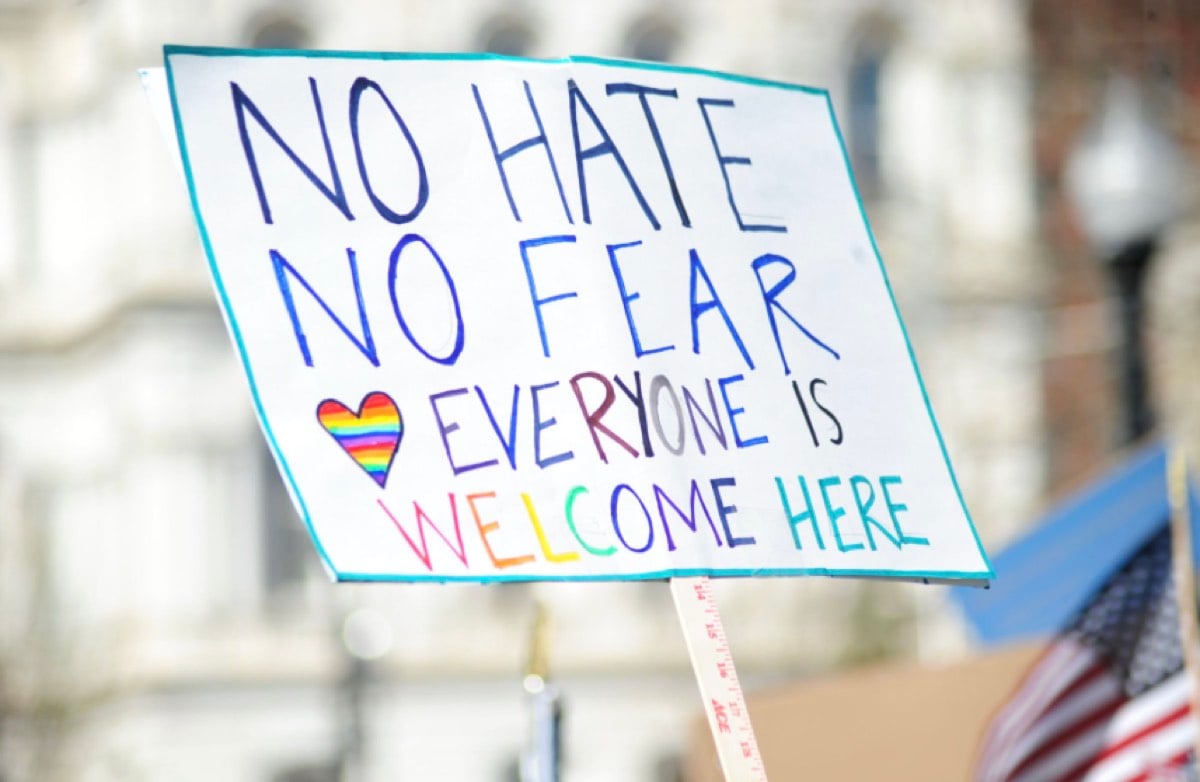
In recent months, Frisco has found itself at the center of national attention as public conversations surrounding immigration, demographic change, the mayoral election, and the city's No Place for Hate designation generated passionate opinions across many groups. For some residents, these conversations have felt like healthy civic engagement. For others, especially immigrants, members of marginalized communities, or people who've lived through trauma or discrimination, these conversations can touch something much deeper and more painful than disagreement.
Wherever you fall politically, a season of community conflict can take a real toll on your mental health.
At Counseling and Nature Therapy Center, we know a lot of folks are carrying feelings that don't always have a place to go. Fear. Grief. Anger. Confusion. Uncertainty. Sadness. Even hope.
Therapy is a place to understand how life experiences affect your nervous system, relationships, identity, and sense of safety. Our practice welcomes people of every religion, race, ethnicity, national origin, immigration experience, gender identity, sexual orientation, and family structure.
If you're seeking trauma therapy in Frisco, support for PTSD, anxiety therapy, ADHD therapy, grief therapy, LGBTQIA-affirming therapy, or postpartum therapy, you deserve a space where your experiences are met with compassion and curiosity.
Key Definitions
Minority Stress
Minority stress is the chronic emotional and physiological strain that can result from experiencing prejudice, discrimination, exclusion, or uncertainty because of one's identity. Research has linked ongoing minority stress to higher rates of anxiety, depression, and trauma-related symptoms.
Trauma
Trauma is the lasting impact of experiences that overwhelm a person's ability to cope. Trauma may result from a single event, repeated experiences, or chronic environments where someone feels unsafe or powerless.
PTSD
Post-Traumatic Stress Disorder (PTSD) is one possible response to trauma and may include intrusive memories, hypervigilance, nightmares, emotional numbness, avoidance, and difficulty feeling safe.
Psychological Safety
Psychological safety is the experience of feeling accepted enough to express emotions, ask questions, and be yourself without fear of humiliation or rejection. Good therapy intentionally creates this kind of environment.
When Community Conversations Feel Personal
Public debates rarely stay in city council meetings or headlines. They show up in schools, workplaces, neighborhoods, family dinners, and social media feeds.
For many longtime residents, these conversations may simply feel stressful or frustrating. For others, especially immigrants, first-generation Americans, racial and ethnic minorities, religious minorities, and LGBTQIA+ folks, they can feel much heavier.
When public conversations include questions about who belongs, whose culture is welcome, or whether certain groups are viewed with suspicion, these conversations can land as more than words. Someone who has fled political violence, experienced discrimination, or spent years trying to build a sense of belonging may feel old wounds open back up without warning.
This does not mean that everyone experiencing community stress has PTSD. It does mean that increased anxiety, hypervigilance, sadness, grief, irritability, difficulty sleeping, or feeling emotionally overwhelmed are understandable responses to environments that feel uncertain or unsafe.
In therapy, you don't have to defend, minimize, or debate those experiences. You can simply look at them, with compassion.
Trauma Therapy in Frisco
Community stress can activate old survival strategies.
If you've experienced discrimination, family conflict, bullying, abuse, war, forced migration, or other traumatic experiences, today's events may feel familiar in ways that are hard to explain.
Trauma teaches the brain and body to stay alert for danger. When current events resemble previous experiences of exclusion or instability, the nervous system may respond as though the original threat has returned.
Trauma therapy can help you:
- understand your nervous system's responses
- reduce hypervigilance
- process painful memories
- strengthen emotional regulation
- reconnect with relationships and community
- build a renewed sense of safety
The goal isn't to pretend difficult experiences never happened. It's for your mind and body to learn that your past doesn't have to run your present.
Learn more about our Trauma Therapy and PTSD services.
Therapy for Teens
Teens are usually paying closer attention than adults realize.
They hear conversations at school. They scroll through social media. They watch the adults around them disagree. They are also trying to answer one of adolescence's biggest questions: "Where do I belong?"
Periods of community conflict can increase anxiety, loneliness, identity confusion, school stress, or social withdrawal. This may be especially true for teens whose families are immigrants or who identify as LGBTQIA+.
Therapy gives teens a place to sort through confusing feelings, build resilience, and learn healthy ways to cope before the stress gets to be too much.
Learn more about Teen Therapy.
Support for Parents of Teens
Parents are often holding two sets of feelings at once: their own and their child's.
Kids and teens don't need perfect answers. They need adults who are emotionally available.
Some ways parents can help include:
- Ask curious questions instead of assuming.
- Validate emotions before offering advice.
- Encourage a healthy balance with news and social media.
- Keep regular family routines that help home feel steady.
- Model respectful conversations with people who hold different perspectives.
If your teen seems increasingly anxious, withdrawn, angry, or overwhelmed, therapy can provide additional support for both parents and adolescents.
New Parents and Postpartum Therapy
Becoming a parent is already one of life's biggest transitions. Adding uncertainty, social tension, or feeling disconnected from community can make the postpartum season even more difficult.
Many new parents experience anxiety, sadness, guilt, intrusive thoughts, or loneliness while adjusting to life with a new baby.
Postpartum therapy is a way to care for yourself so you can keep caring for your family.
Learn more about Postpartum Therapy.
Anxiety Therapy
Ongoing stress can keep us on alert all the time.
You may notice yourself checking the news repeatedly, replaying conversations, imagining worst-case scenarios, or struggling to relax.
Anxiety therapy can help you:
- interrupt worry cycles
- develop grounding skills
- regulate your nervous system
- reconnect with daily life
- make decisions from values rather than fear
Learn more about Anxiety Therapy.
Depression Therapy
Not everyone responds to prolonged stress with anxiety. Sometimes people become emotionally exhausted instead.
Depression may show up as hopelessness, fatigue, numbness, loss of motivation, withdrawing from others, or feeling disconnected from activities that once brought joy.
Therapy can help you figure out what's feeding these feelings and slowly find your way back toward hope, purpose, and connection.
Learn more about Depression Therapy.
ADHD Therapy
Community stress can feel especially overwhelming for people with ADHD.
Constant news updates, heated conversations, and social media algorithms all compete for your attention and turn up the emotional volume.
Many people with ADHD also experience rejection sensitivity, which makes criticism or feeling left out hurt even more.
ADHD therapy can help with emotional regulation, executive functioning, organization, boundaries around technology, and developing routines that support both productivity and well-being.
Learn more about ADHD Therapy.
LGBTQIA-Affirming Therapy
Research has associated affirming environments with better mental health outcomes for LGBTQIA+ people.
If you're exploring identity, working through family relationships, processing discrimination, or simply looking for a therapist who gets your lived experience, our therapists work to offer a space where you can be yourself and heal.
Our LGBTQIA-affirming therapy honors every person's dignity while helping clients build resilience, healthier relationships, and greater self-compassion.
Learn more about LGBTQIA-Affirming Therapy.
Healthy Ways to Cope During Community Stress
We can't control every headline or public debate, but we can take care of our nervous systems.
A few things to try:
- Limit news and social media if you notice they increase distress.
- Spend time in nature, which many people find helps lower stress.
- Stay connected with trusted friends, family, and supportive communities.
- Make room for sleep, movement, and good meals.
- Focus on your values rather than reacting to every headline.
- Remember that news stories rarely capture the full character of a community.
- Reach out for therapy if stress begins affecting work, relationships, parenting, or daily life.
Key Takeaways
- Community conflict can affect mental health even when it doesn't directly involve you.
- Immigrants, religious minorities, racial minorities, and LGBTQIA+ people may feel more minority stress during periods of public division.
- Previous trauma can make current events feel especially activating.
- Therapy offers a confidential place to process fear, grief, uncertainty, and identity-related concerns.
- Counseling and Nature Therapy Center welcomes clients of every religion, immigration experience, gender identity, race, ethnicity, and sexual orientation.
- You don't have to wait until you're in crisis to seek support.

Frequently Asked Questions
Can community conflict affect your mental health?
Yes. Ongoing community conflict can increase stress, anxiety, grief, and feelings of uncertainty. For some people, especially those with previous experiences of trauma, discrimination, or displacement, public conversations about identity or belonging may also activate deeper emotional responses. Therapy can help you process these experiences in a supportive, nonjudgmental and confidential space.
When should I seek trauma therapy in Frisco?
If you find yourself feeling constantly on edge, having trouble sleeping, avoiding certain places or conversations, experiencing intrusive memories, or feeling emotionally overwhelmed, trauma therapy may help. You don't have to wait until symptoms become severe or receive a PTSD diagnosis before reaching out for support.
What is minority stress?
Minority stress refers to the chronic emotional strain that can result from experiencing discrimination, prejudice, exclusion, or uncertainty because of aspects of your identity. Research shows that prolonged minority stress can contribute to anxiety, depression, burnout, and trauma-related symptoms.
Do you provide LGBTQIA-affirming therapy?
Yes. Counseling and Nature Therapy Center proudly provides LGBTQIA-affirming therapy in Frisco. Our therapists strive to create an environment where clients can explore their experiences, relationships, and identities with dignity, respect, and compassion.
Can therapy help immigrants or first-generation Americans?
Absolutely. Many immigrants and first-generation folks face their own set of challenges, including acculturation stress, family expectations, identity development, grief, discrimination, and balancing multiple cultures. Therapy offers a safe place to process these experiences privately and confidentially and build resilience.
Can ADHD therapy help adults?
Yes. ADHD therapy isn't just for children. Adults with ADHD often struggle with emotional regulation, organization, executive functioning, procrastination, and rejection sensitivity. Therapy can provide practical tools while also addressing the emotional impact of living with ADHD.
Who do you work with?
Our therapists work with adults, teens, and families seeking support for trauma, PTSD, anxiety, depression, grief, ADHD, relationship concerns, postpartum mental health, and life transitions. We welcome clients from all backgrounds, cultures, religions, immigration experiences, gender identities, and sexual orientations.
What areas do you serve?
Counseling and Nature Therapy Center proudly serves clients in Frisco, Allen, Plano, Prosper, Celina, Aubrey, Carrollton, and surrounding North Texas communities. We offer compassionate, evidence-based therapy to help individuals and families move toward healing and growth.
Ready to Find a Safe Place to Process?
If you're dealing with trauma, anxiety, depression, ADHD, postpartum challenges, identity questions, or simply trying to make sense of a difficult season, our therapists can work with you with compassion and respect.
If you're looking for therapy in Frisco, including trauma therapy, PTSD treatment, ADHD therapy, grief therapy, LGBTQIA-affirming therapy, or postpartum therapy, we'd be honored to support you.
Contact Counseling and Nature Therapy Center today to schedule your first appointment.
Areas Served
We proudly provide therapy services for clients throughout Frisco, Allen, Plano, Prosper, Celina, Aubrey, Carrollton, and surrounding North Texas communities. We accept the following insurances:
Insurance
We accept Aetna, Blue Cross Blue Shield, Cigna, Curative, and Sana insurance, plus a few other plans with certain therapists. Call us and we’ll check yours. We also accept Out of Network benefits.
Resources for Further Reading
- American Psychological Association. Stress Effects on the Body.https://www.apa.org/topics/stress
- Substance Abuse and Mental Health Services Administration. Trauma and Violence.https://www.samhsa.gov/trauma-violence
- American Psychological Association. Stress and Discrimination.https://www.apa.org/topics/racism-bias-discrimination/health-effects